Cyanotypes & Photography
In an effort to have some fun exploring LA, I started taking film pictures again. Coinciding with that, a friend spent Summer making cyanotypes of his original photo work. I’d never done it before, so with his coaching, I started experimenting with that printing method. I suppose I’ll wind up working these new images into my collage work, but for now I’m just enjoying the play.







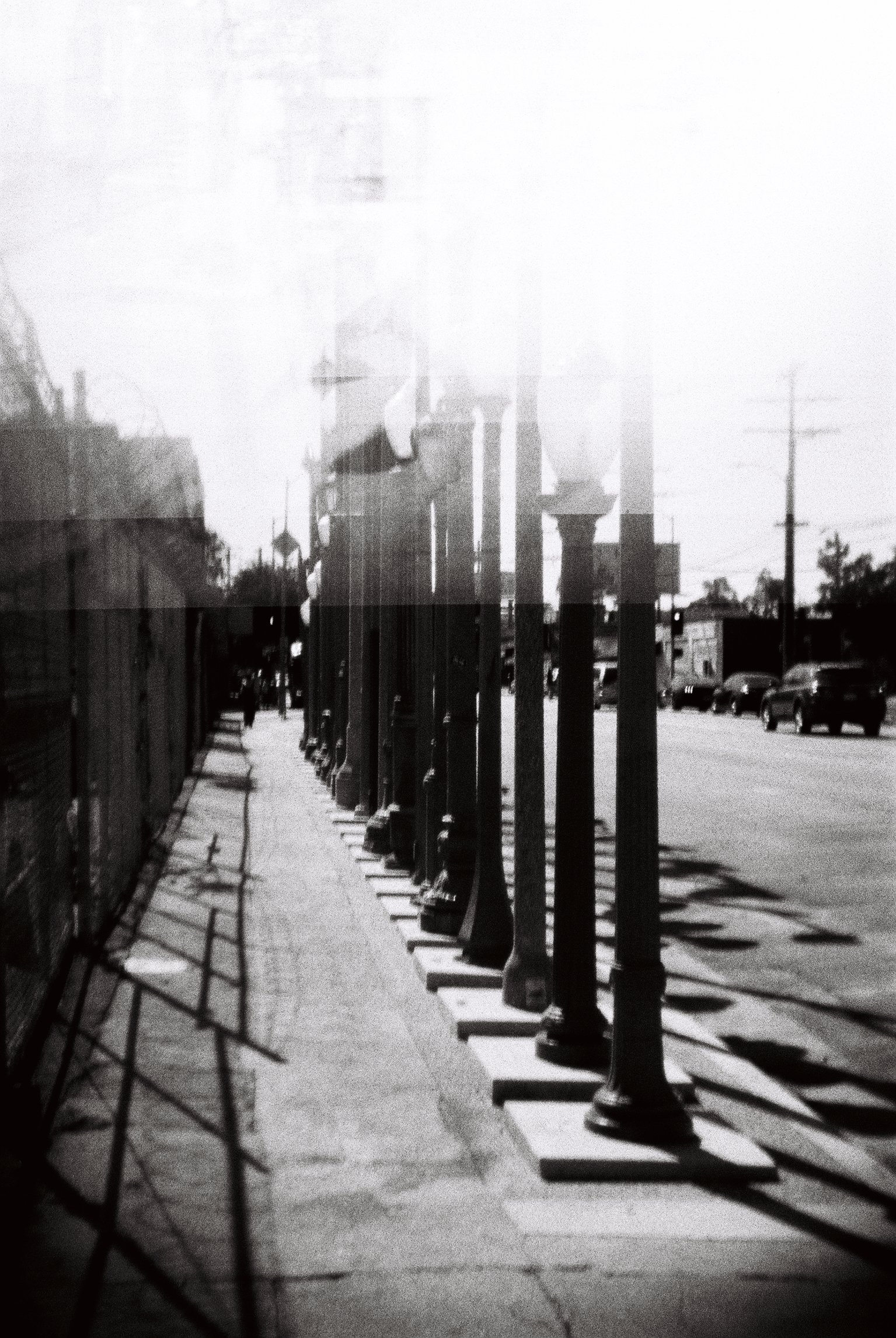
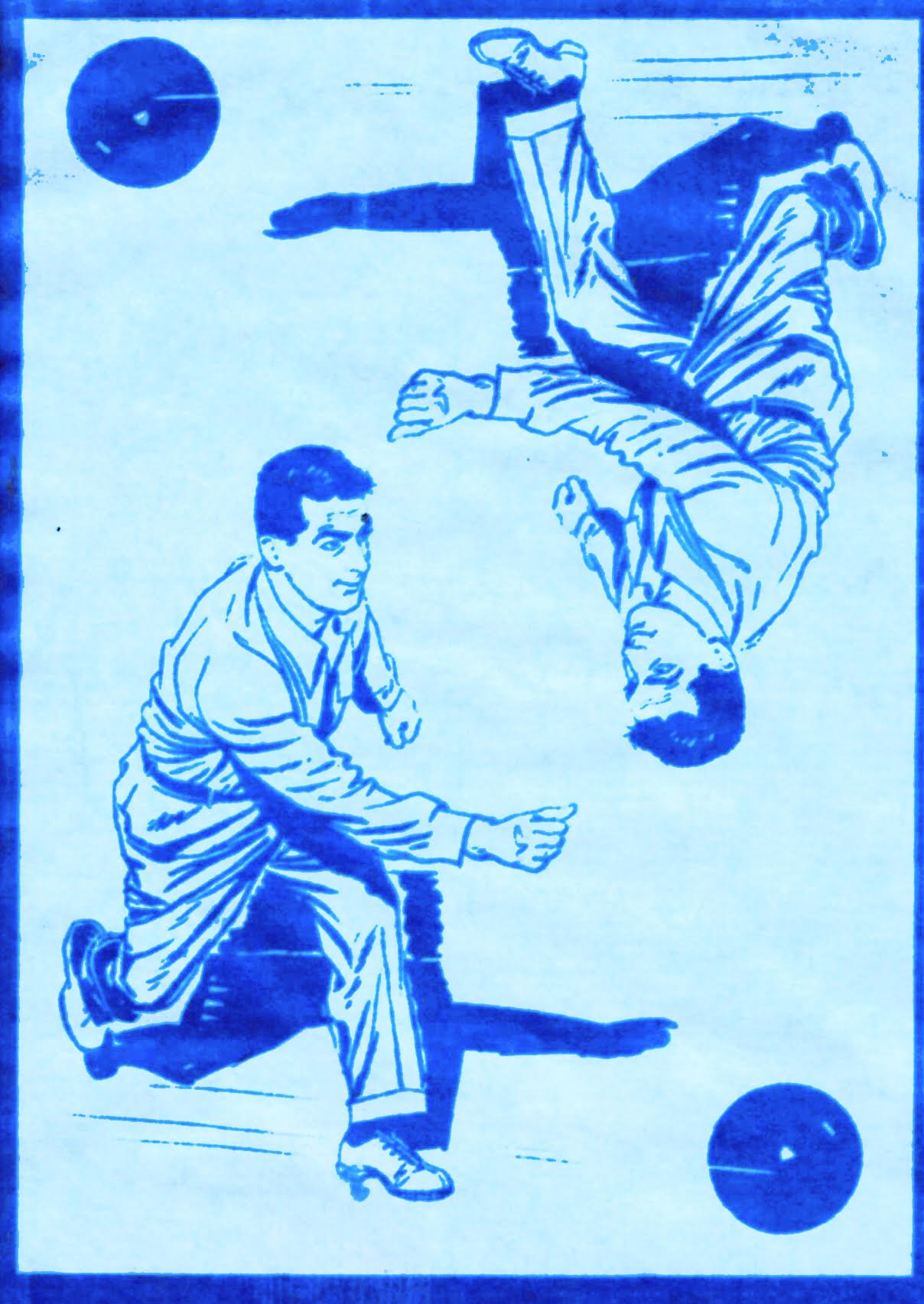
The cyanotypes below are from my own photos - except the bowling man, which was sourced from a vintage instruction book.






Here are some of the cameras I am using:
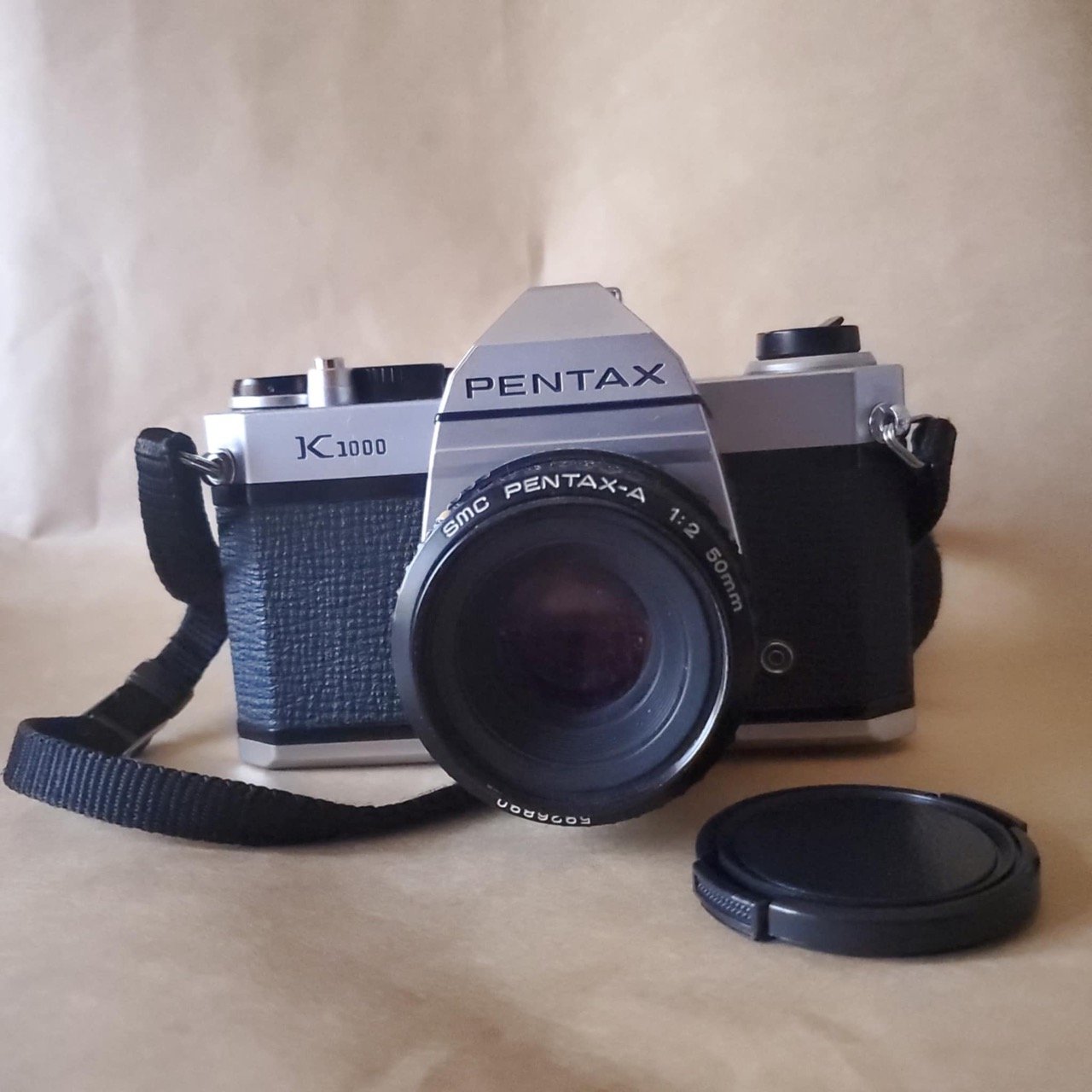
The Pentax K1000 35mm. This is the camera I learned photography on over 30 years ago - still works great! My photo teacher once claimed this would be the last camera produced without microchips in it.
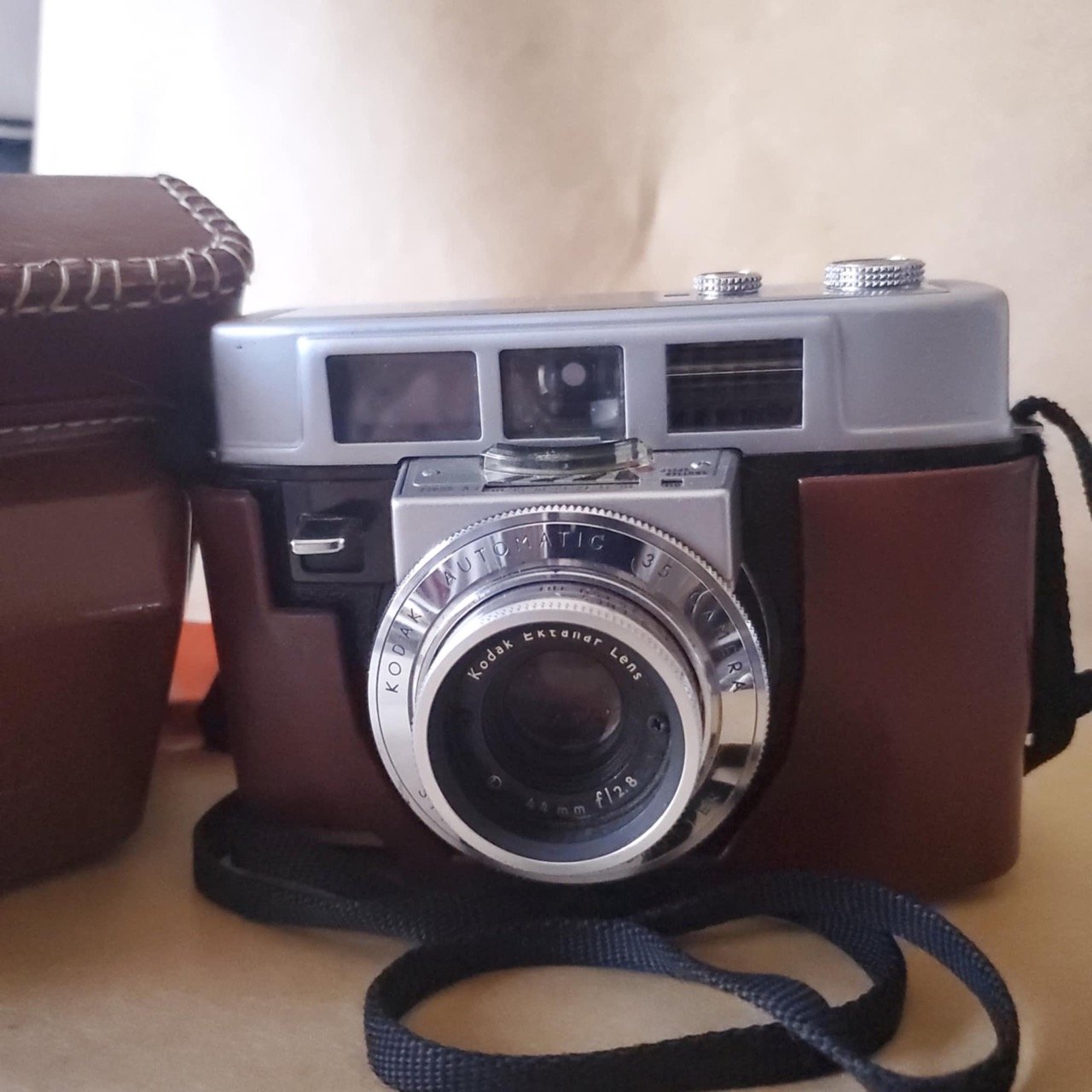
Kodak Automatic 35. This is a Zone Focus camera from the early 1960s. This is the camera that I bought to kickstart my new era of film photography. Zone focus means the user can’t focus the lens on a specific subject, only adjust it to one of several distance zones such as 3-5ft, 6-10ft, 15-infinity. The fastest iso film speed this can take is 160 (but I did get a roll of 200 to turn out pretty nicely).
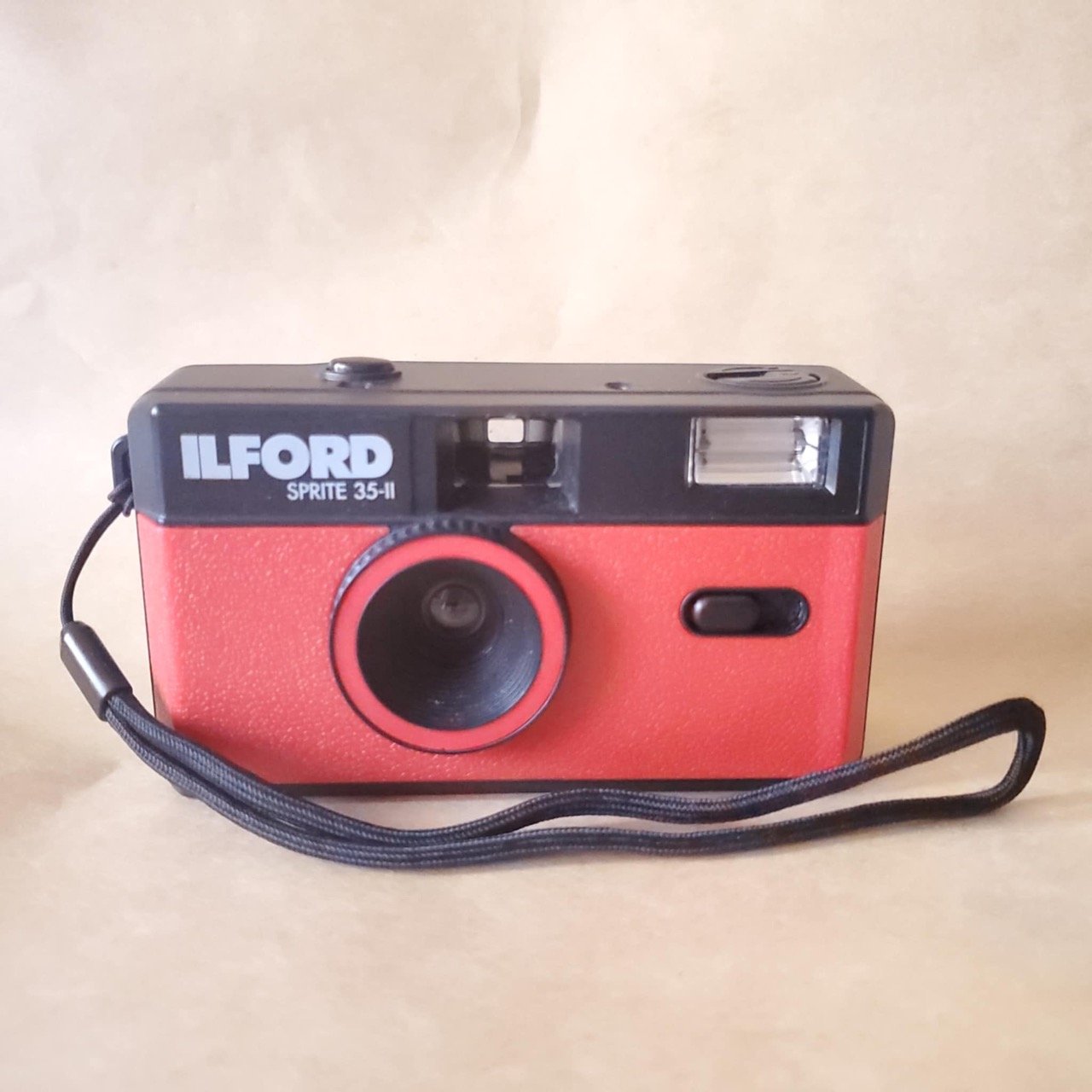
ilford Sprite II, also 35mm. Fixed focus lens. This is my everyday camera. I like the way 800 speed film exposes in it.

Diana+ 120mm film camera, also fixed focus. Dianas are known for their simple mechanics and cheap plastic manufacture, which leads to many unexpected results like light leaks and fuzzy soft focus images. Their construction hasn’t change much since they were first made in the 1960s.
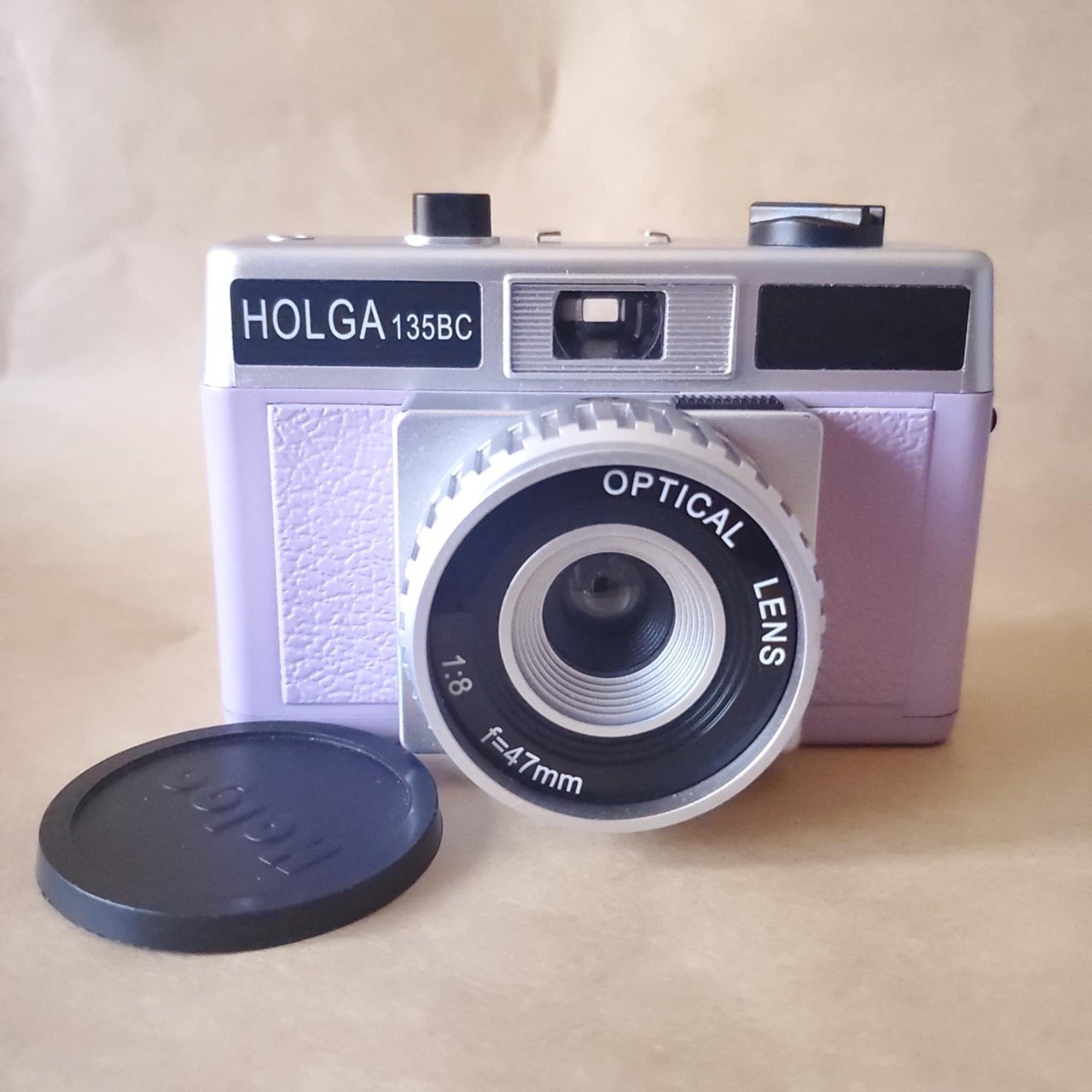
Holga 135. Like the Diana+ and ilford Sprite this has a fixed focus lens and is considered a toy camera. It is very janky - contributing to wonderfully weird effects like double exposure. Mine has a tendency to get stuck when trying to advance to the next frame.

Minox 35EL, this model was made in 1974. It is one of the smallest 35mm full frame cameras ever made. I got this because I wanted something that took square pix as its ‘native format’. It’s smaller than most cell phones, but about 2-3 times as thick.